Registrations for Plastics2026 have closed.
The pervasive presence of plastics in our environment and their potential implications on human health is a growing concern. Health risks exist at all stages of the plastic lifecycle— from production, use, recycling, and eventual disposal, as well as from legacy plastics in the environment. As plastics degrade, they release additives, nano- and micro-plastics, and oligomers, which can infiltrate air, water, and food sources. Increasing evidence of the consumption and inhalation of nano- and micro-plastics, concerns about exposures to harmful additives used to give plastics particular properties, and the need for improved understanding of potential effects on human health and associated risks are becoming integral parts of public health discourse.
This conference aims to bring together scientists, medical professionals, industry leaders, and policymakers to address the urgent need to understand these risks and devise strategies to mitigate negative health impacts. Join us as we explore these critical issues and work towards a healthier future.
Keynote Speakers
We are excited to announce some of our Keynote speakers! Further announcements are coming soon, visit the conference website again to discover new additions to the program.
 Dr Andrea Hinwood, United Nations Environment Programme
Dr Andrea Hinwood serves as the Chief Scientist of the United Nations Environment Programme. She is an environmental scientist with specialization in environmental and human exposures and implications for human health. Dr. Hinwood earned her PhD in environmental epidemiology from Monash University in Melbourne, Australia. She has worked on a range of local, regional and international environmental issues, and provided strategic advice to governments and a variety of international fora including chemicals, waste and pollution. She served as the first Chief Environmental Scientist at the Environment Protection Authority (EPA) in Victoria, Australia and was previously an Associate Professor at Edith Cowan University and held appointments as a member and Deputy Chair of the Environmental Protection Authority of Western Australia and a sessional member of the State Administrative Tribunal of Western Australia.
 Emeritus Professor Sarah Dunlop, Minderoo Foundation
Sarah Dunlop is Director, Plastics & Human Health Impact Mission at Minderoo Foundation and Emeritus Professor, The University of Western Australia. She leads pioneering research to eliminate the harmful effects of plastic by identifying casual evidence for harm to human health, thereby establishing industry accountability, and by developing safe and sustainable alternative materials. Since joining Minderoo in 2020, she has built and spearheaded global collaborations across Australia, Europe, the UK and US to undertake keystone research to drive systems change. The work involves defining the extent of the problem by synthesising existing evidence, developing accurate measurement techniques for plastic chemicals and micro- and nanoplastic particles in human biospecimens, and using hybrid epidemiology and clinical trials to uncover causal mechanisms underlying health impacts from plastic exposure. Parallel work involves accelerating the development and scaling of non-fossil fuel-based materials which do not contain toxic chemicals or fragment into micro- and nanoplastics.
 Dr Cassandra Rauert, The University of Queensland
Dr Cassandra Rauert is a Senior Research Fellow at the Queensland Alliance for Environmental Health Sciences (QAEHS), The University of Queensland, and is the microplastics research lead at the Minderoo Centre – Plastics and Human Health. Her primary research focusses on assessing human exposure to microplastics/nanoplastics and developing methods for detecting plastics in human matrices. She also leads various environmental exposure research projects including assessing the impact of tyre road wear particles and their associated chemicals on the urban environment.
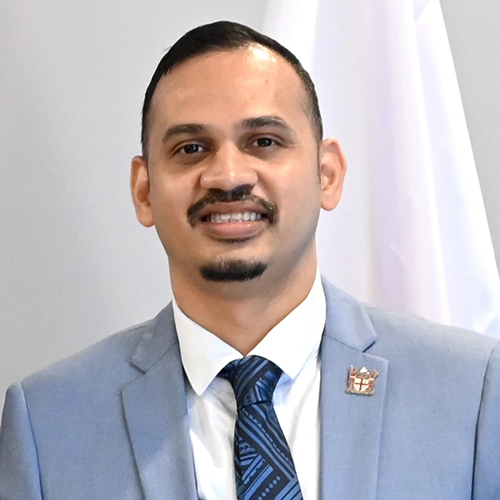 Dr Sivendra Michael, Fijian Government, Environment and Climate Change
Dr. Sivendra Michael is Fiji’s Permanent Secretary for Environment and Climate Change. He has over a decade of work experience in the climate change and disaster management field across Asia Pacific and Eastern African. Prior to joining the Fijian Government, Dr. Michael worked for various UN agencies, the Pacific Islands Forum and the British Council. He currently is the co-chair of the Climate Investment Fund Board and the co-chair for the UNFCCC Ocean-Climate Dialogue. Dr. Michael is Fiji’s Chief Negotiator for the Plastics Treaty, UNFCCC COP29 and UNCBD COP16.
 Professor Martin Wagner, Norwegian University of Science and Technology (NTNU)
Martin is a Professor of Environmental Toxicology at the Norwegian University of Science and Technology (NTNU) in Trondheim. His research aims at understanding how plastics, including microplastics and plastic chemicals, affect biodiversity, health, and society, working at the interface of ecology, toxicology, and chemistry. Passionate about solving the issue of plastic pollution, Martin actively communicates his research and advises policymakers, including in the negotiations for a global plastics treaty. He earned his PhD from Goethe University Frankfurt, Germany, in 2013 for research on endocrine-disrupting chemicals in plastics, where he later led a junior group studying freshwater microplastics. Since 2017, he has continued his plastic pollution research at NTNU. Learn more at www.biotox.de.
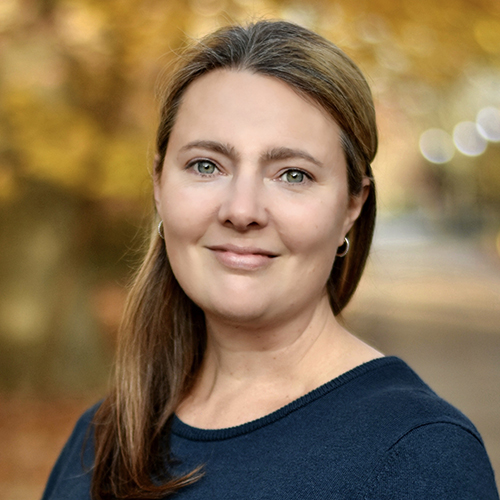 Associate Professor Phoebe Stapleton, Rutgers University
Dr. Phoebe Stapleton is an Associate Professor in the Pharmacology and Toxicology Department of the Ernest Mario School of Pharmacy and a resident member of the Environmental and Occupational Health Sciences Institute of Rutgers University. She completed both her graduate and postdoctoral training at West Virginia University focusing on microvascular physiology and inhalation toxicology, respectively. Her laboratory focuses on the cardiovascular implications of maternal exposure to nano-sized particles during pregnancy, identifying the maternal, fetal, and offspring outcomes associated with these exposures. Most recently, she has focused on the effects of micro- and nanoplastic exposures during pregnancy.
 Dr Jane Muncke, Food Packaging Forum Foundation
Jane Muncke holds a doctorate degree in environmental toxicology and a MSc in environmental science from the ETH Zurich. In 2012 she co-founded the charitable Food Packaging Forum Foundation (FPF) in Zurich, Switzerland. FPF is a research and science communication organization focusing on chemicals in all types of food contact materials. Before leaving academia, she was a scientific associate at Eawag, the Swiss Aquatic Science Institute, collaborating in various different research projects, including endocrine disruption in developing zebrafish. Jane has extensive experience as science communicator and presenter and teaches live communication skills to scientists.
 Professor Da Chen, Jinan University
Da Chen is a Professor and Dean of the College of Environment and Climate, Jinan University. He graduated from The College of William and Mary (U.S.) with a Ph.D. in marine science and conducted post-doctoral research at the National Wildlife Research Centre, Environment and Climate Change Canada. His research focuses on the development of advanced analytical techniques to characterize human exposure to contaminants of emerging concern (including organic compounds and micro/nano-plastics) and explore potential human health risks from contaminant exposure. He has published more than 240 papers in premier scientific journals such as Nature Sustainability, PNAS Nexus, Advanced Science, Environmental Health Perspectives, and Environmental Science & Technology. He is currently an Associate Editor for Environment International and Journal of Environmental Exposure Assessment. He has been awarded with National Environmental Protection Science and Technology Award and several other provincial or organisational awards.
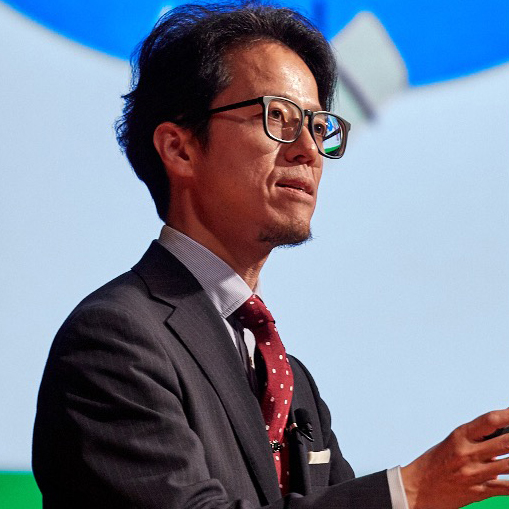 Dr Shoji Nakayama, National Institute for Environmental Studies
Dr Shoji Nakayama holds MD and PhD degrees. He is certified as Public Health Specialist/Supervisor by Japan Board of Public Health and Social Medicine. He serves Associate Editor of Environment International as well as Journal of Exposure Science and Environmental Epidemiology. In 2005, Dr Nakayama was invited by the US Environmental Protection Agency and spent 6 years to conduct exposure research on contaminants of emerging concern. In 2011, Dr Nakayama joined the National Institute for Environmental Studies in Japan. Currently he is Deputy Director of the Japan Environment and Children’s Study Programme Office. He also holds Professor title at the St. Luke’s International University, the University of Tsukuba and Icahn School of Medicine at Mount Sinai. Dr Nakayama is a lead exposure scientist for the Japan Environment and Children’s Study (JECS), which is a longitudinal birth cohort study involving 100,000 mothers and children. He is devoted to human biomonitoring research. Exposome research is his most recent activity. He collaborates with US, Canada, EU and Asian researchers to advance and promote children’s environmental health.
Contact
For formal enquiries about the conference, please contact plastics2026@uq.edu.au. You can also keep up to date with the latest conference news via our LinkedIn.
Conference venue: Advanced Engineering Building, UQ St Lucia (Sunday 1st March)
Join us for the conference Welcome Event on Sunday 1st March at the Advanced Engineering Building, on the St Lucia campus of The University of Queensland.
Address
Corner of Staff House Road and Jocks Road
St Lucia, QLD, 4067
Conference venue: W Brisbane (Monday 2nd March - Wednesday 4th March)
Conveniently located in the heart of the CBD and overlooking the iconic Brisbane River, W Brisbane sets the stage for exclusive, extraordinary experiences with exceptional design and contemporary luxury. With over 1,100 sqm of design-led event spaces and state-of-the-art conferencing facilities, guests can get down to business in nine dynamic indoor and outdoor spaces.
Address
81 N Quay
Brisbane City, QLD, 4000
For accommodation, there are a number of appropriate hotels within walking distance of the conference venue.
About Brisbane
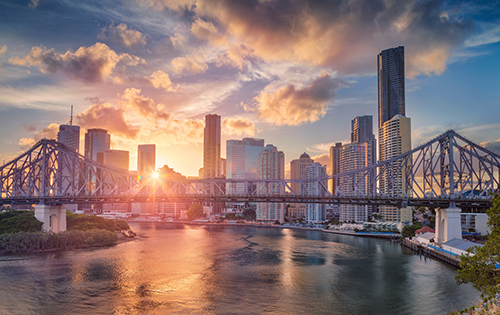 Brisbane, Queensland's capital, is a vibrant, diverse and active city with a welcoming and inviting attitude. With its year-round sunshine, world-class dining, and thriving arts scene, Brisbane is the perfect destination for both professional engagement and personal exploration. Delegates will enjoy a warm, welcoming atmosphere in a city known for its innovation, sustainability, and laid-back charm.
From the iconic South Bank Parklands and the cultural treasures of the Queensland Art Gallery and Gallery of Modern Art (QAGOMA), to the wonders of Lone Pine Koala Sanctuary, Brisbane offers unforgettable experiences just moments from the conference venue. Whether you're networking over coffee in a riverside café or unwinding with a sunset stroll along the Story Bridge, Brisbane invites you to connect, explore, and be inspired.
Brisbane boasts an affordable, efficient, and easy-to-navigate public transport system—including buses, trains, and ferries—making it simple for delegates to explore the city and beyond. Transport in Queensland.
Brisbane Weather
Brisbane enjoys a subtropical climate, defined by warm or hot weather for most of the year.
March is the beginning of Autumn which is typically milder than the hot temperatures of summer. Average day-time temperatures range from 27-29 degrees Celsius, with the nights cooling down to 18-20 degrees. March can have high rainfall, with an average of 13 days out of the month experiencing at least some rainfall. Humidity typically remains moderately high, between 57% and 75%, easing towards the end of the month.
On average, there are 8 hours of sunshine per day and with a sea temperature of 25-26 degrees, this is excellent weather for swimming and exploring all the city has to offer however, make sure to pack your sunscreen as sun protection is recommended due to the high UV index.
Local Organising Committee
Prof Kevin Thomas (Chair)
Prof Jochen Mueller (Co-Chair)
Dr Cassie Rauert
Dr Fisher Wang
Dr Elvis Okoffo
Dr Ian Zammit
Dr Grace Davies
Organising Committee
Prof Kevin Thomas (Chair)
Prof Jochen Mueller (Co-Chair)
Ms Stephanie Hall (Secretary)
Prof Peter Sly
Emerita Prof Sarah Dunlop
Dr Christos Symeonides
Ms Beth Tippett
Dr Junli (Lily) Xu
Dr Stephanie Wright
Prof Anne-Louise Ponsonby
Prof Michaela Lucas
Dr Alena Vdovchenko
Dr Taicheng An
Dr Claire Shepherd
Scientific Committee
Prof Kevin Thomas (Chair)
Prof Jochen Mueller (Co-Chair)
Dr Grace Davies (Secretary)
Dr Derek Muir
Dr Holger Koch
Prof Hongwen Sun
Prof Heather Stapleton
Dr Shoji Nakayama
Dr Gro Delhi Andersen
Dr Dorte Herzke
Prof Juliette Legler
Prof Martin Clift
A/Prof Douglas Walker
Dr Zhanyun Wang
Prof Adrian Covaci
Prof Guibin Jiang
Prof Roel Vermeulen
Plastics2026 will offer a series of Side Events alongside the main conference program, offering extra chances to connect and explore key topics. These sessions include small workshops, informal discussions, and networking opportunities.
Side Event Schedule
| Side Event | Date | Time | Location | Room |
|---|---|---|---|---|
From Surveys to Systems: Experiencing Grassroots-Informed Risk Assessment Framework (GIRAF) in Practice | Saturday 28 February | 9:00am - 10:30am | AEB, St Lucia, UQ | Auditorium |
| Pyrolysis-GCMS Workshop | Saturday 28 February | 9:00am - 12:00pm | AEB, St Lucia, UQ | 316 |
| Plastics Degradation and Lifetimes | Saturday 28 February | 1:30pm - 4:30pm | AEB, St Lucia, UQ | 313A |
| Seeing the Unseen: Submicron IR Imaging for Microplastics and Nanoplastics | Saturday 28 February | 1:30pm - 3:00pm | AEB, St Lucia, UQ | 301 |
| Tiny Particles, Big Questions: Microplastic Exposure and Brain Health | Saturday 28 February | 1:30pm - 4:30pm | AEB, St Lucia, UQ | Auditorium |
| Plastic Country: A Film Screening and Conversation on Plastics, Human Health and Action | Monday 2 March | 6:00pm - 9:00pm | State Library of Qld, Stanley Place | |
| Career Panel: Real Paths, Real Talk | Thursday 5 March | 9:00am - 11:00am | Woolloongabba, UQ | QAEHS |
Saturday 28th February Side Events will be at the Advanced Engineering Building, (Staff House Road), St Lucia campus of The University of Queensland. Please download a detailed map.
Thursday 5th February Side Event will be at the Queensland Alliance for Enviromental Health Sciences, (20 Cornwall St, Woolloongabba), Dutton Park campus of The University of Queensland. Please download a detailed map.
Plastic Country registration is still open, all other Side Event registrations have closed.
From Surveys to Systems: Experiencing Grassroots-Informed Risk Assessment Framework (GIRAF) in Practice
Background and Rationale:
What if risk assessment did not start in laboratories, but in living rooms, marketplaces, and waste sites? Current approaches to assessing the human health risks of plastics and plastic-associated chemicals rely heavily on laboratory toxicology and biomonitoring data, evidence that is often unavailable in low- and middle-income countries. As a result, the lived realities of frontline communities, especially informal waste workers, women, and children, remain largely invisible in policy and governance decisions.
In 2023, CAPws worked with communities in Obajana, Nigeria, near the Dangote Cement plant, where plastic waste is co-processed in cement kilns. Residents reported widespread respiratory, skin, and eye conditions, stories rarely captured by formal risk assessments. Using household surveys, participatory risk mapping, and citizen testimonies, we translated lived experience into actionable grassroots epidemiological evidence.
This session introduces GIRAF, a practical framework that bridges community knowledge and scientific assessment. Participants will take part in an interactive role-play, stepping into the roles of community members, researchers, and policymakers to experience how GIRAF works in practice and how it can be adapted to strengthen plastic, chemical, and public health governance worldwide.
Objectives:
- To showcase Grassroots-Informed Risk Assessment Framework (GIRAF) and how it integrates citizen science, community surveys, and participatory evidence into plastics and health research.
- To illustrate how lived experiences of vulnerable communities can strengthen scientific data and support inclusive global plastic governance.
- To provide actionable recommendations for integrating grassroots evidence into treaty negotiations, national monitoring systems, and regulatory frameworks.
Proposed Agenda Format:
- Opening remarks (5 min) – Setting the frame.
- Case presentation (15 min) – Grounding the discussion.
- Setting the stage for action (5 min) – Introducing the tool.
- Interactive role-play and participatory risk mapping (45 min) – Core highlight of the session.
- Participant open discussion session (15 min) – Collective reflection and learning.
- Audience questions and answer session (10 min) – Clarifying pathways forward.
- Closing reflections (5 min) – From insight to action.
Expected Outcomes:
- Demonstrated model of a Grassroots-Informed Risk Assessment Framework (GIRAF).
- Increased recognition of citizen science as a valid component of plastics and health research.
- Concrete recommendations for integrating community-based evidence into global treaty negotiations and national regulatory systems.
- Strengthened partnerships between grassroots groups, researchers, and policymakers to co-create equitable risk governance.
Target Audience:
Researchers, policymakers, negotiators, civil society organizations, frontline community representatives, and international agencies engaged in plastics and health.
Pyrolysis-GCMS Workshop
Hosted by: Dr Karthik Sathrugnan, Frontier Laboratories
Pyrolysis–GC/MS is increasingly demonstrating its capabilities for mass-based analysis of micro- and nanoplastics. This workshop aims to provide an overview of the Pyrolysis–GC/MS technique and explain its application for the direct analysis of micro- and nanoplastics from various environmental matrices, enabling both identification and quantification.
Our R&D team has developed several hardware solutions that improve the sensitivity of Py-GC/MS for trace and ultra-trace level analysis of micro- and nanoplastics. During the workshop, we will introduce these new hardware developments and explain how they enhance the technique for simplified and efficient MNP analysis.
The workshop will also include hands-on exercises covering sample filtration and data analysis using our F-Search MP software.
Plastics Degradation and Lifetimes
Hosted by: Professor Bronwyn Laycock and Professor Steven Pratt, The University of Queensland
This side event will focus on the mechanisms and rates of plastics degradation and bioplastics biodegradation. It will cover hazardous states transitions and the environmental factors that can accelerate or slow these transitions. It will also cover how considerations of these factors tie into plastics waste management and the circular economy, and effective management of plastics and bioplastics within a circular economy.
Seeing the Unseen: Submicron IR Imaging for Microplastics and Nanoplastics
Join Photothermal Spectroscopy Corp. for an interactive workshop exploring how cutting-edge Optical Photothermal Infrared (O-PTIR) and simultaneous Raman microscopy are transforming microplastics and nanoplastics research. Discover how submicron IR spectroscopy, coupled with simultaneous Raman, reveals and identifies plastic particles invisible to conventional FTIR and Raman—down to below 500 nm. Learn how automated particle screening and multimodal imaging can accelerate environmental and toxicological studies, from water samples to tissues. This session will include a live demonstration of real-time O-PTIR and Raman analysis of microplastic samples, showing how these complementary techniques deliver unprecedented spatial resolution and chemical clarity.
What you’ll learn:
- How O-PTIR overcomes the spatial limits and artefacts of traditional IR microscopy
- Direct, label-free identification of <1 µm microplastics and nanoplastics Automated workflows for environmental and biological MP analysis
- How researchers worldwide are applying O-PTIR to track plastics in water, food, and tissue
Duration: 90 minutes (including live demo and Q&A)
Speakers: Dr. Mustafa Kansiz and other guest researchers (TBC)
Hosted by: Photothermal Spectroscopy Corp.
Tiny Particles, Big Questions: Microplastic Exposure and Brain Health
Micro- and nanoplastics (MNPs) are now ubiquitous environmental contaminants, raising urgent questions about their potential impact on human health, including neurological function. We will host a roundtable discussion on the emerging evidence that micro- and nanoplastic (MNP) exposure can influence brain health and contribute to the risk of neurodegeneration. Recent findings suggest that MNPs can interact with the central nervous system (CNS), potentially driving neuroinflammation, oxidative stress, and protein aggregation, processes implicated in conditions such as Parkinson’s and Alzheimer’s disease. Despite growing concern, this area of research remains in its early stages and requires coordinated, interdisciplinary investigation.
This roundtable discussion will provide a dedicated platform for open conversation and collaboration among researchers and stakeholders from neuroscience, toxicology, environmental health, epidemiology, and clinical research. Key discussion points will include:
- Current evidence and challenges for detecting MNPs in brain tissue
- Experimental models and tools to study MNPs in the brain
- Links between environmental exposures, neuroinflammation, and neurodegenerative pathology
- Critical research gaps and opportunities for collaboration
Format: 3 hours moderated roundtable or chaired session, followed by open dialogue
Who should attend: This side event is open to all Plastics2026 attendees, and will be particularly valuable to researchers in neurotoxicology, environmental health, policy makers, and clinicians interested in the intersection of MNP exposures and brain health.
Expected outcomes: This event will highlight the importance of integrating neurological outcomes into the global plastics and health agenda. Participants will gain insights into the current state of research, identify critical knowledge gaps, that are designed to foster interdisciplinary dialogue and inspire collaborative opportunities.
Career Panel: Real Paths, Real Talk
Featuring professionals from research, industry, government, and consultancy, this career panel session focuses on real stories, unexpected turns, and honest lessons learned along the way. Panellists will share practical advice on building skills, navigating uncertainty, and finding opportunities beyond traditional career paths, ideal for students and early-career professionals looking for relatable insights and realistic guidance.
Panel Members
- Martin Wagner, Professor of Environmental Toxicology, Norwegian University of Science and Technology
- Todd Gouin, Consultant, TG Environmental Research
- Shoji Nakayama, National Institute for Environmental Studies
- Suzanne Vardy, Department of the Environment, Tourism, Science, and Innovation, Queensland Government
- Jane Muncke, Food Packaging Forum Foundation
Location: Queensland Alliance for Environmental Health Sciences, Level 3, 20 Cornwall Street, Woolloongabba, Qld, 4102 (Download a detailed map).
Attendance to this event is free but capacity is limited. To ensure you can attend please register below and provide specific questions and/or topics you would like the panel to address.
Plastic Country: A Film Screening and Conversation on Plastics, Human Health and Action
Date: Monday 2 March
Time: 6:00pm - 8:45pm. Presentation begins at 7:30pm.
Location: The State Library of Queensland, Stanley Place, South Brisbane
Room: Queensland Terrace & Auditorium 1
You are invited to a special film screening being held during Plastics2026, a global symposium on plastics and human health. We are excited to share this very first showing of The Plastic Country (cut-down version), followed by a panel discussion on Plastics, Human Health and Action.
Schedule:
6:00pm - 7:30pm: Light refreshments
7:15pm: Doors open
7:30pm - 7:40pm: Welcome
7:40pm - 8:00pm: Film screening
8:00pm - 8:30pm: Expert Q&A Panel
8:30pm - 8:40pm: Audience questions
8:45pm: Event finishes
Plastics2026 is excited to welcome you as a presenter at our upcoming conference.
To help you prepare, we have outlined important details regarding formats, specifications and technical requirements below. Please review this information carefully to ensure a smooth experience and provide you with everything you need for successful participation.
Oral Presentations
Your Presentation Length and Scheduled Time/Date
Presentation slots are 15 minutes. This is the total time, with 12 minutes for a presentation and 3 minutes for Q&A and transitioning between speakers. Please refer to the program once released for your presentation time and date.
Submitting Your Presentation/Presentation Format
To ensure a smooth experience:
- Save your PowerPoint presentation in 16:9 format, named as follows: FirstName_LastName
- Please email your presentation or provide a download link to plastics2026@uq.edu.au by Monday 23 February 2026 (if your file is over 35MB, please provide a download link and please ensure it's open access).
- Bring a backup copy on a USB stick.
- Check in with the AV technician in the morning before your session.
- If your presentation includes videos or animations:
- Embed them in your slides
- Include the video files in your email (if your files are over 35MB, please provide a download link).
- Mac users: Ensure compatibility with Windows systems.
Flash Poster Presentations
Please note you are required to provide both a presentation and a printed poster.
Your Presentation Length and Scheduled Time/Date
Flash poster presentation slots are 3 minutes including speaker transition time. Please refer to the program once released for your presentation time and date.
Your flash presentation should be maximum 1 slide.
Your Printed Poster
Your poster should be A0 size and a portrait layout.
Your poster board number will be provided to you, and your poster/s must be displayed on Monday 2nd March 2026 during the morning conference registration period. Poster viewing is throughout the conference, and presenters are expected to attend their poster during the Monday poster session.
Printing Services
The conference venue does not have printing facilities available onsite. There are a number of printing businesses in the area of the conference venue. Please note, the printing of the poster is the conference delegate's responsibility and the below are only our suggestions based on proximity to the conference venue.
- Officeworks, 102 Adelaide Street, Brisbane – a 6 minute walk from the conference venue.
- Snap Solutions, 138 Albert Street, Brisbane – a 9 minute walk from the conference venue.
- Worldwide, 260 Queen Street, Brisbane – an 11 minute walk from the conference venue.
Submitting Your Flash Poster Presentation/Presentation Format
To ensure a smooth experience:
- Save your PowerPoint presentation (maximum 1 slide) in 16:9 format, named as follows: FirstName_LastName
- Please email your presentation or provide a download link to plastics2026@uq.edu.au by Monday 23 February 2026 (if your file is over 35MB, please provide a download link and please ensure it's open access).
- Bring a backup copy on a USB stick.
- Check in with the AV technician in the morning before your session.
Posters
Your Printed Poster
Your poster should be A0 size and a portrait layout.
Your poster board number will be provided to you, and your poster/s must be displayed on Monday 2nd March 2026 during the morning conference registration period. Poster viewing is throughout the conference, and presenters are expected to attend their poster during the Monday poster session.
Printing Services
The conference venue does not have printing facilities available onsite. There are a number of printing businesses in the area of the conference venue. Please note, the printing of the poster is the conference delegate's responsibility and the below are only our suggestions based on proximity to the conference venue.
- Officeworks, 102 Adelaide Street, Brisbane – a 6 minute walk from the conference venue.
- Snap Solutions, 138 Albert Street, Brisbane – a 9 minute walk from the conference venue.
- Worldwide, 260 Queen Street, Brisbane – an 11 minute walk from the conference venue.
Social Event: Ferry & Lone Pine Koala Sanctuary Visit
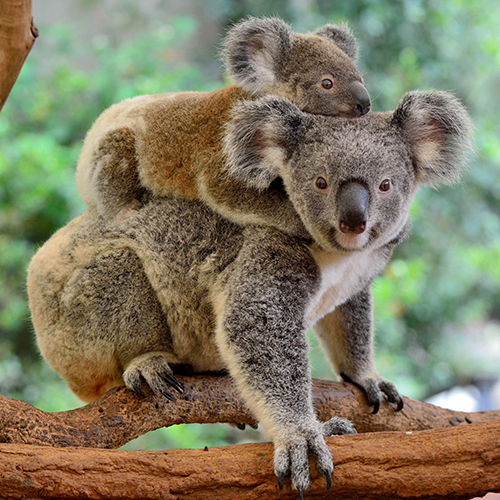 Kick off the conference with a uniquely Australian experience! Join us for a scenic guided ferry ride along the Brisbane River to Lone Pine Koala Sanctuary, where you will have the chance to see koalas, feed kangaroos, and see other iconic Australian wildlife. Enjoy food and beverages (at your own expense) onboard the ferry ride or at Lone Pine Sanctuary. After exploring the sanctuary, you will be dropped off close to UQ St Lucia campus, in time for the Welcome Event. It's the perfect way to connect with fellow attendees and enjoy a relaxed start to the week.
Please note transport to the ferry departure point is not included.
Planned Itinerary (Sunday 1st March)**:
- Ferry departs in the morning (7:30AM) from the Cultural Centre Pontoon.
- Location: Google Maps Location
- Entry to Lone Pine Koala Sanctuary.
- Please note exploration of the sanctuary is at your own pace, this is not a guided tour.
- Return Departure from Lone Pine is at 11:45 AM.
Please meet back at the ferry port. Clear instructions will be given onboard during the morning cruise. - The ferry will return you to UQ St Lucia main campus (not the city centre).
Conference volunteers will be waiting to escort you directly to the Plastics2026 Welcome Event. Please ensure you bring everything you require for the whole day.
Important Notes
- No food or drink is included in this trip, but you may purchase items onboard the ferry or at Lone Pine.
- Lone Pine offers optional animal encounters. These can be booked online in advance or onsite (subject to availability). You can view these on Lone Pine’s website: What’s on at Lone Pine Koala Sanctuary. Please note these experiences are not included and are at your own expense.
- Accessibility Note: There are 28 stairs to climb from the ferry to the entry gates at Lone Pine Koala Sanctuary. The walk from the ferry drop off point to the Welcome Event venue is approximately 1.5 kilometres (0.9 miles) and there are also stairs in this route.
**Details have been provided by email to registrants, please check your emails.
Sponsors
We would like to thank our conference sponsors for their support, the event wouldn't be possible without them. Check back soon, we are adding more sponsors daily!
Gold Sponsors



Silver Sponsors



Bronze Sponsors







Award Sponsors

Supporting Sponsors